Safety & Quality

Responsibility for people, the environment, and security of supply

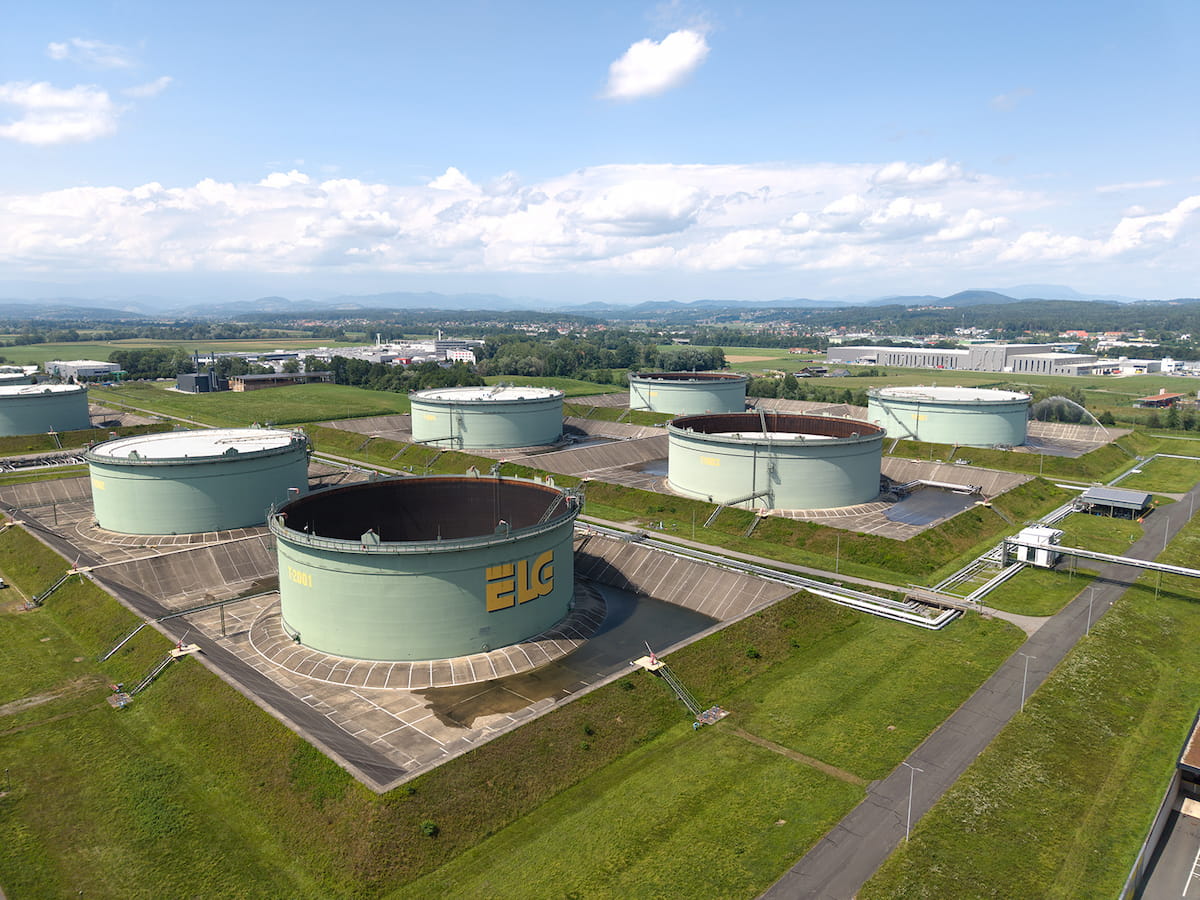
We provide security – we live security! The secure storage and reliable availability of mandatory emergency reserves are at the heart of the ELG Group's work. At the same time, we ensure that all stored products meet current quality requirements, environmental standards, and market-relevant specifications.

In doing so, the ELG Group protects both people and the environment. We gear our facilities and processes toward secure storage and continuously review our safety and environmental standards.

The HSEQ management system combines quality, environment, health, and safety into a holistic approach. The internationally recognized management systems ISO 9001, ISO 14001, and ISO 45001 provide the framework for this. Through clear responsibilities, systematic risk assessment, measurable goals, and continuous improvement, our performance is constantly being further developed.

The management system is certified according to the following internationally recognized standards:

DIN EN ISO 9001:2015 for Quality Management
DIN EN ISO 14001:2015 for Environmental Management
DIN EN ISO 45001:2018 for Occupational Health and Safety

Health – Promoting health

Healthy working conditions are the foundation for sustainable performance.
‍
The ELG protects and promotes the health of its employees through prevention, occupational medical care, and the ongoing improvement of working conditions. In doing so, it addresses physical and workplace-related stressors at an early stage.

Key areas: Prevention · Occupational medicine · Ergonomics · Healthcare provision

Safety & Security – Ensuring safety

Safety is the top priority at ELG.
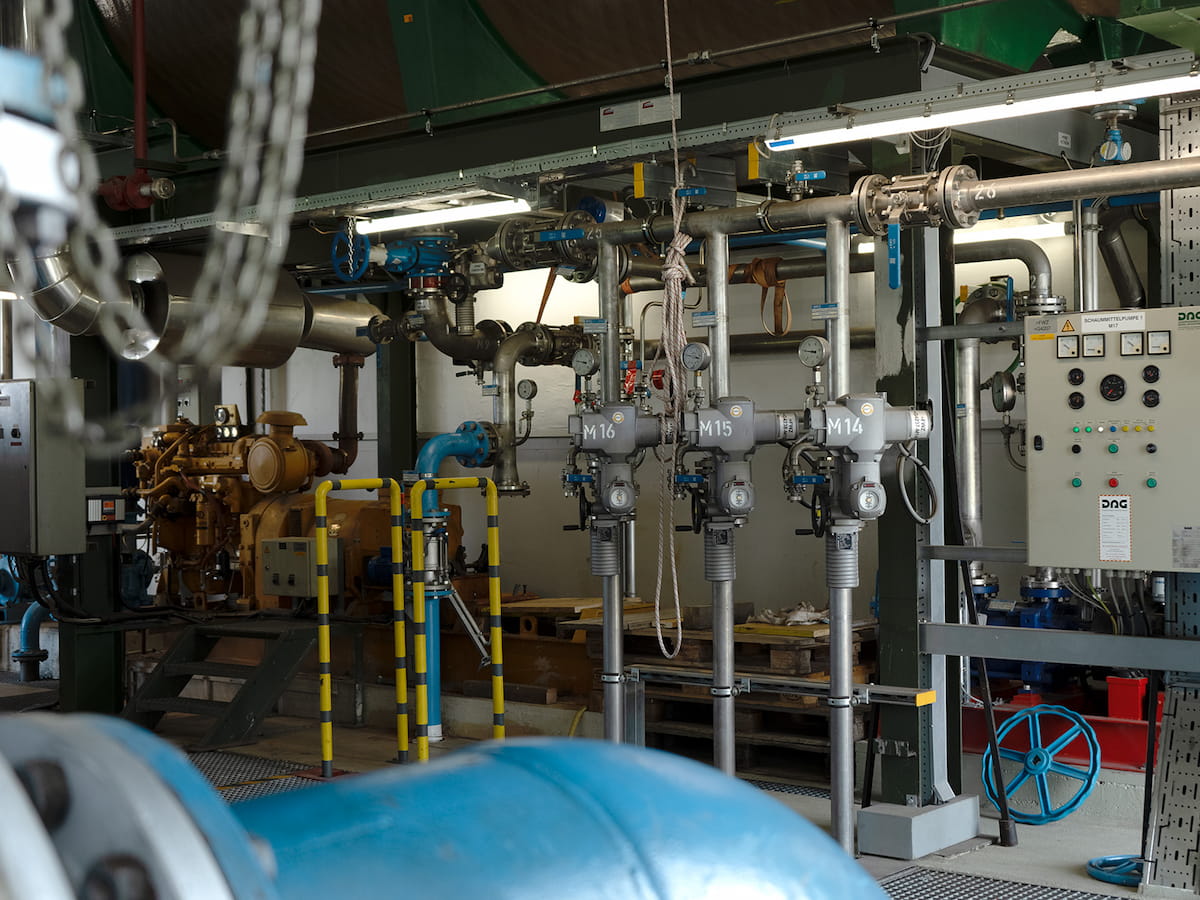
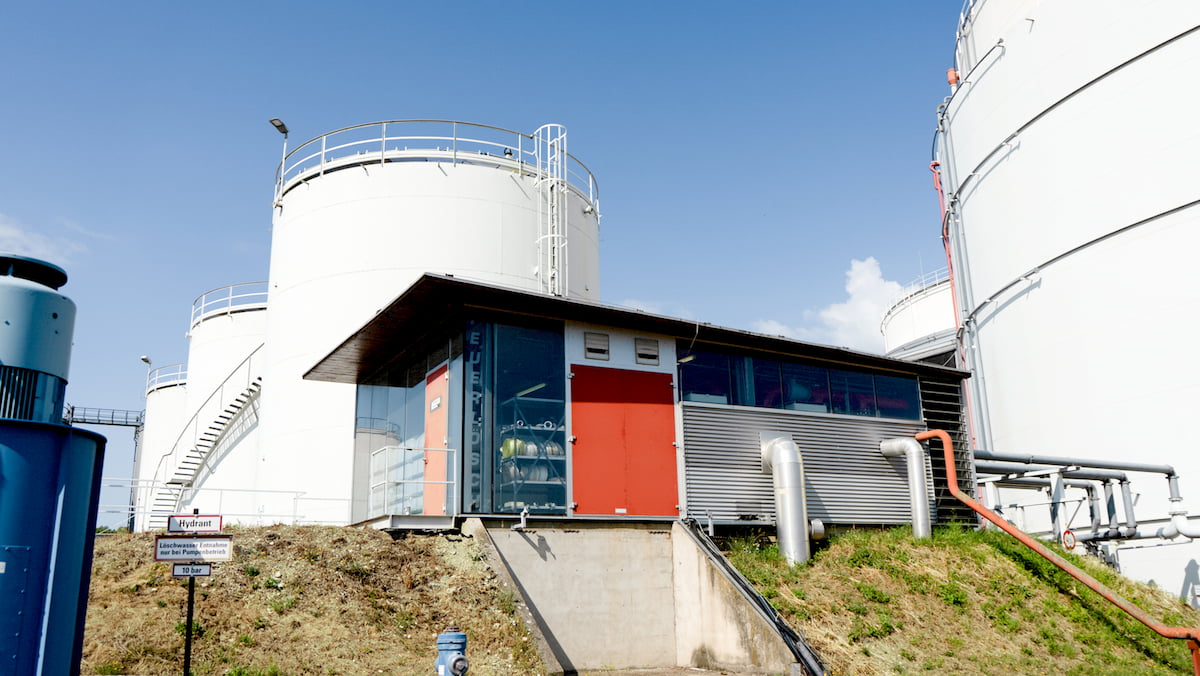
ELG protects its employees, partner companies, facilities, and the surrounding area through clear safety standards, technical and organizational measures, and regular training and drills. Risks are systematically assessed and mitigated through appropriate measures.

Key areas: Occupational safety · Plant safety · Emergency preparedness · Security

Environment – Protecting the environment

Responsible management of the environment and resources is part of our daily operations.
ELG’s facilities and processes are operated and developed with the goal of minimizing environmental impact and using resources efficiently. Risks to soil, water, and the environment are systematically monitored and reduced.

Key areas: Water protection · Emissions · Resource efficiency · Incident prevention

Quality – Ensuring quality

For ELG, quality means reliable processes and secure supply.
Through clearly defined procedures, regular inspections, and continuous improvements, we ensure that stored products and our services meet all specified requirements. Reliability, traceability, and security of supply are our top priorities.

Key areas: Product quality · Process quality · Availability · Continuous improvement

REQUEST
information sheet

Do you need further information regarding safety, quality, or the associated measures at ELG?

Lorem ipsum dolor sit amet, consectetur adipiscing elit. Suspendisse varius enim in eros elementum tristique. Duis cursus, mi quis viverra ornare, eros dolor interdum nulla, ut commodo diam libero vitae erat. Aenean faucibus nibh et justo cursus id rutrum lorem imperdiet. Nunc ut sem vitae risus tristique posuere.

Request information sheet

PFAS (per- and polyfluoroalkyl substances) are a large group of chemical substances that have been used in many industrial and everyday applications due to their special properties, such as water, grease, and dirt repellency. These include fire-fighting foams, textiles, and technical products.

PFAS are highly persistent and break down extremely slowly in the environment. For this reason, they are now being studied more intensively and are subject to stricter regulations.

PFAS were neither manufactured at the site nor used as a process material for the storage of crude oil. In the past, fire-fighting foams containing PFAS that were approved at the time were used during mandatory fire-fighting drills.

The ELG Group provides the current, professionally verified status of knowledge, contact options, and further updates here.

Investigations at the Lannach tank farm revealed elevated PFAS levels in the subsoil and groundwater. The ELG did not manufacture PFAS at the site nor use them as a process material. In the past, fire-fighting foams containing PFAS that were approved at the time were used during mandatory fire-fighting drills.

The ELG is working closely with the relevant authorities and specialist agencies to coordinate further investigations and the preparation of appropriate containment and remediation measures.

The ELG provides affected residents with clear, transparent information based on verified findings. At the same time, measures coordinated with authorities and specialist agencies are being prepared.

The most important questions and answers are updated here on an ongoing basis.

Contact us
An ombudsman's office is available to answer your questions. You can reach them at:

The ELG provides information in a timely, objective, and transparent manner. Verified findings, ongoing measures, and outstanding questions are clearly distinguished; new information is updated following professional review.

Note:
This information will be updated as soon as new, peer-reviewed findings become available. Status: August 19, 2026
What are PFAS?

PFAS is the abbreviation for per- and polyfluoroalkyl substances. Due to their technical properties, this group of substances has been used in many areas, including certain fire-fighting foams. PFAS break down very slowly in the environment. For this reason, they are now being examined particularly closely and are subject to stricter regulations.

Why is the Lannach tank farm considered a contaminated site?

Following investigations in accordance with the Contaminated Sites Remediation Act, the site was classified as a contaminated site of priority class 1. According to the assessment by the Environment Agency Austria, the PFAS deposits are linked to historical fire-extinguishing drills conducted since the facility began operations in 1980. The next steps for containment and remediation are being prepared with the responsible authorities and expert bodies.

Where else can these organic fluorine compounds be found in our everyday lives?

Depending on the product, PFAS are or have been used in items such as water- and dirt-repellent textiles, waterproofing agents, certain food contact materials, coatings, cosmetics, and fire-extinguishing foams. Whether a specific product contains PFAS depends on its composition and the period in which it was manufactured.

Are there currently valid limit values for PFAS contamination in food and drinking water?

Since January 1, 2023, maximum levels for PFOS, PFOA, PFNA, PFHxS, and their sum have been in effect in the EU for selected food products. In Austria, a parameter value of 0.10 µg/l for the 'sum of PFAS' from 20 individual substances has applied to drinking water since January 12, 2026.

What are the findings? Status as of August 18, 2026

The investigations confirm significant PFAS contamination of the subsoil and groundwater. The Environment Agency Austria has classified the site as a contaminated site of priority class 1. It describes a PFAS plume more than 500 m long and approximately 500 m wide; the exact extent and appropriate containment and remediation measures are currently being investigated further. Details can be found in the official report from the Environment Agency Austria.

Since when have the elevated PFAS levels been known?

Elevated PFAS levels were identified during systematic investigations starting in 2021. The contamination itself is historically older and, according to current knowledge, has accumulated over decades in connection with fire-extinguishing drills conducted since the facility began operations in 1980. The focus of the detailed investigations was in 2024 and 2025.

What are the health implications of these levels?

It would be irresponsible to provide a blanket statement. Health-related questions must always be considered in the specific context of the contamination situation, usage, and expert assessment. This is precisely why these issues are being examined in collaboration with independent experts and the relevant authorities.

Current status

Between 2021 and 2025, soil, subsoil, groundwater, surface water, and selected locally produced food items were tested. The Environment Agency Austria classified the site as a contaminated site of priority class 1. It recommends a feasibility study, further hydrogeological investigations, and regular groundwater monitoring. The ELG is preparing these steps in coordination with the responsible authorities.

Why is this issue relevant for local residents?

The PFAS contamination extends beyond the site premises. The Environment Agency Austria describes a pollutant plume more than 500 m long and approximately 500 m wide, affecting domestic and utility water wells, a municipal drinking water well that has since been taken off the grid, and PFAS deposits in the Kainach river. Legal maximum levels were exceeded in individual samples of chicken eggs, chicken liver, and fish; however, due to the limited number of samples, no general conclusions can be drawn from these results.

What is the quality of the drinking water?

A municipal drinking water well has been taken off the grid due to PFAS contamination. According to the current status confirmed by the water association and the relevant authorities, the public drinking water supply is not sourced from this affected well. For the latest information on the quality of the public water supply, please contact the Lannach–St. Josef Water Association.

When am I personally affected?

Whether your private well is affected depends on its location, the investigation results, and actual usage. Households that were classified as affected or potentially affected based on the information available at the time were specifically informed by the State of Styria in 2023. If you are unsure, please contact the ombudsman office.

How large is the affected area?

The Environment Agency Austria has identified a PFAS plume more than 500 m long and approximately 500 m wide in the groundwater downstream of the Lannach tank farm. The exact lateral and vertical extent is still being investigated.

Can I use my garden groundwater well?

The groundwater in the area of the former site and downstream is contaminated with PFAS; its potential uses are restricted. Before using it for drinking, cooking, watering, livestock, or similar purposes, its suitability must be professionally assessed on a case-by-case basis. Please contact the ombudsman office.

Can I fill my pool with groundwater?

Private groundwater from the downstream area should not be used to fill pools without a prior individual assessment. Please contact the ombudsman office for clarification.

Can I continue to use my garden vegetables?

It should be professionally assessed on a case-by-case basis whether groundwater from the area of the contaminant plume is suitable for watering vegetables and whether vegetables watered with it can be consumed. Please contact the ombudsman office.

Is well water currently suitable as drinking water for livestock?

The suitability of groundwater from the area of the contaminant plume as drinking water for livestock should be professionally assessed on a case-by-case basis. Please contact the ombudsman office.

What measures is the ELG currently taking?

In coordination with authorities and experts, the ELG is preparing a variant study as well as further hydrogeological investigations. The goal is to evaluate suitable measures for short-term containment of the spread and for long-term remediation. The next technical steps will be determined based on the investigation results. A final remediation method has not yet been decided.

How long will the remediation take?

It is currently not possible to provide a reliable estimate for the duration. It depends on the chosen remediation method, technical design, required permits, and proven effectiveness. As soon as a reliable schedule and verifiable milestones are available, the ELG will publish them and report regularly on progress.

Who can answer my questions?

An externally organized ombudsman office serves as the central point of contact for questions and concerns. It documents inquiries, coordinates technical clarifications, and ensures feedback is provided; it does not replace official authorities or legal or medical advice.